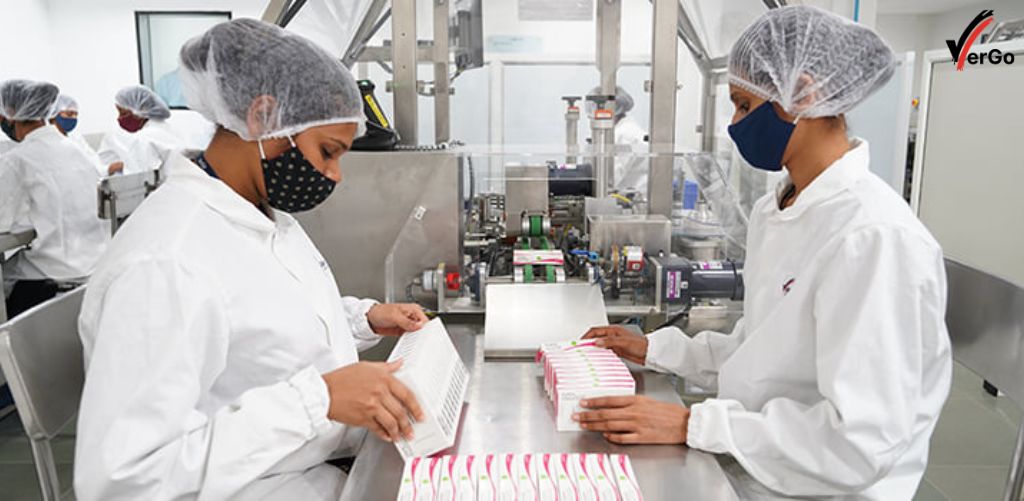
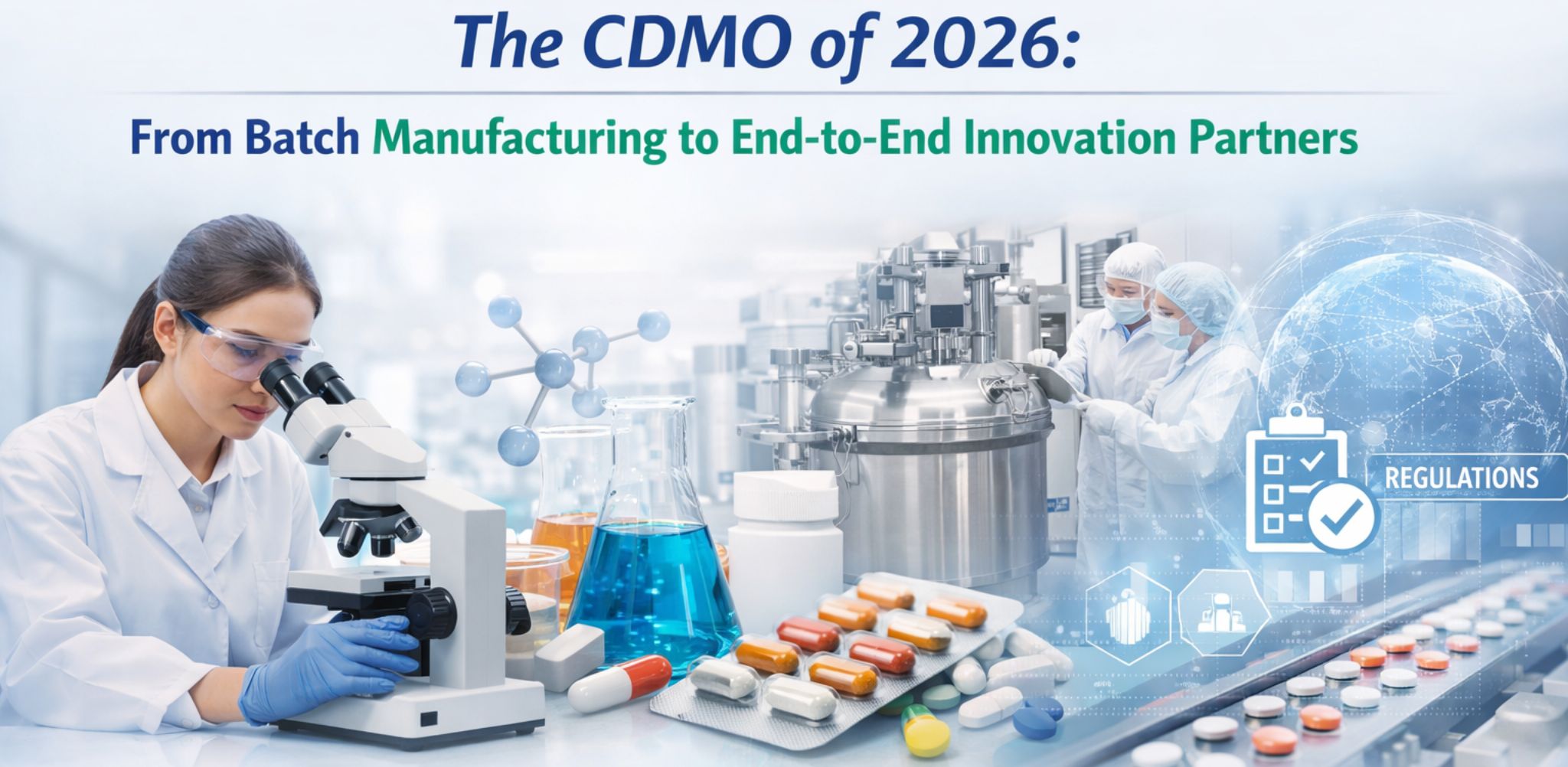
The pharmaceutical outsourcing landscape is undergoing a fundamental shift. As we approach 2026, Contract Development and Manufacturing Organizations (CDMOs) are no longer viewed merely as external production units for clinical or commercial batches. Instead, they are increasingly expected to act as end-to-end innovation partners, supporting pharmaceutical companies across the entire product lifecycle—from early development to global commercialization.
This evolution is driven by growing R&D complexity, tighter regulatory scrutiny, accelerated go-to-market expectations, and the need for cost efficiency without compromising quality. In this new era, CDMOs that adapt to these expectations will define the future of pharmaceutical development.
Expert Tip: Choosing the Right CDMO for the Future
Pharmaceutical companies should choose integrated CDMO partners like VerGo Pharma Research for development, analytical, stability, bioequivalence, and regulatory services under one umbrella. We lower risk and accelerate progress, aligning with industry shifts toward 2026.
Why the Traditional CDMO Model Is No Longer Enough
For decades, the CDMO model revolved around batch manufacturing, scale-up support, and regulatory compliance. While these services remain critical, they are no longer sufficient to meet modern pharmaceutical demands.
Today’s drug development pipelines include:
- Complex formulations
- Modified and targeted drug delivery systems
- Narrow therapeutic index drugs
- Highly regulated global submissions
Managing these challenges requires more than manufacturing capacity—it requires scientific collaboration, regulatory foresight, and integrated development expertise.
Pharmaceutical companies now expect CDMOs to reduce development risk, compress timelines, and provide data continuity across multiple stages of development. This has accelerated the transition toward full-service CDMO partnerships.
Key Characteristics of the CDMO of 2026
The CDMO is defined by capability integration, technological maturity, and strategic alignment with client goals. Several defining characteristics are shaping this transformation.
1. Integrated Development and Manufacturing Services
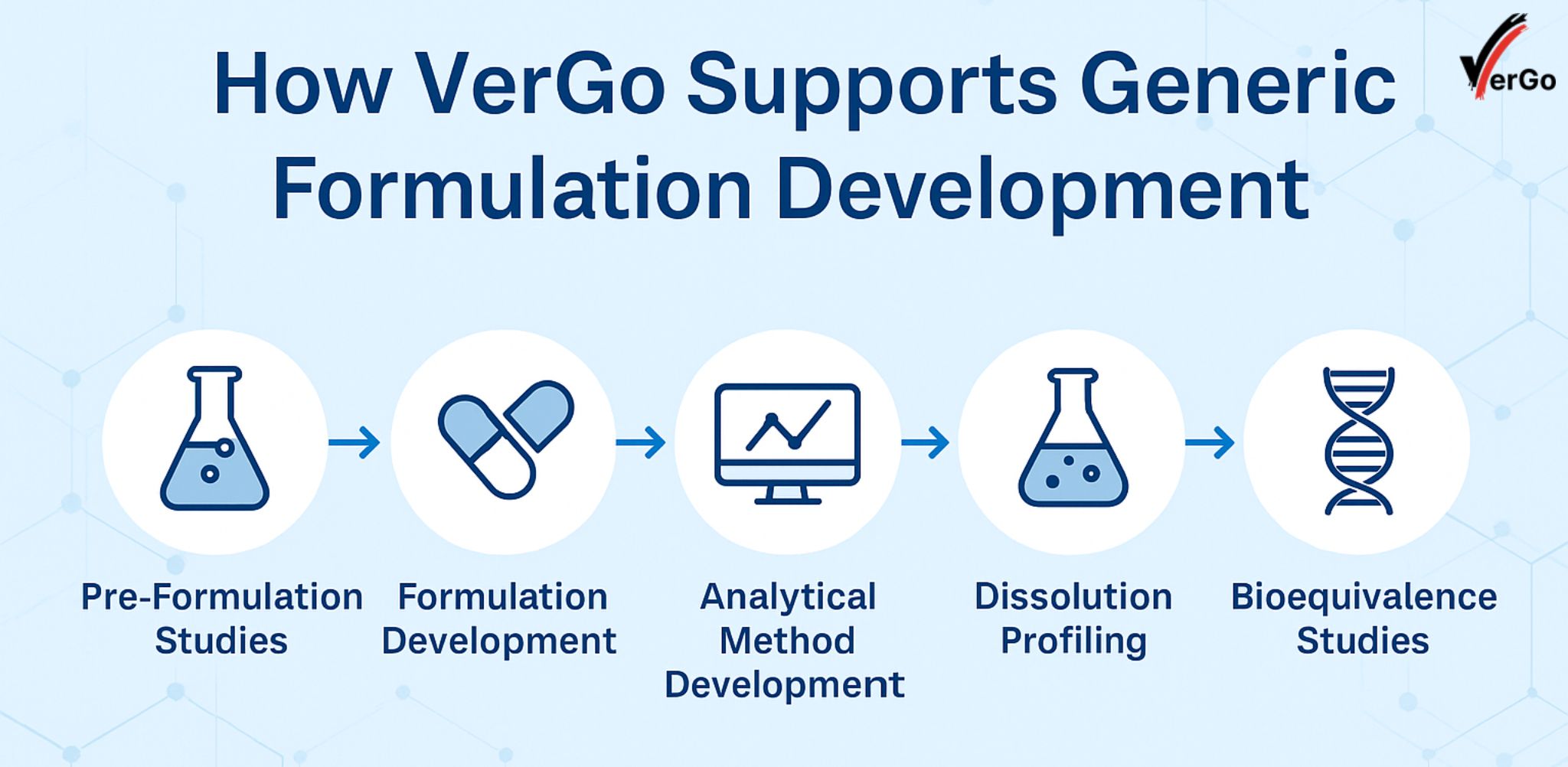
Future-ready CDMOs offer seamless workflows that connect:
- API process development
- Pre-formulation and formulation development
- Analytical method development and validation
- Stability studies under global ICH conditions
- Clinical batch and exhibit batch manufacturing
- Technology transfer and scale-up support
By eliminating fragmentation between vendors, integrated CDMOs significantly reduce delays, miscommunication, and rework—resulting in faster and more predictable product progression.
2. Strong Regulatory and Quality Intelligence
Regulatory compliance is no longer a final-stage consideration. The CDMO of 2026 embeds regulatory strategy into every development phase.
Advanced CDMOs proactively align development data with:
- Global regulatory expectations
- Evolving pharmacopoeial standards
- Region-specific submission requirements
This approach minimizes approval risks, supports smoother inspections, and ensures faster market entry across multiple geographies.
3. Technology-Driven Manufacturing and Development
Digital transformation is becoming a competitive necessity. Modern CDMOs are adopting:
- Data-driven process optimization
- Automated analytical systems
- Advanced manufacturing controls
- Digital documentation and traceability
These technologies enhance process reproducibility, improve quality assurance, and enable faster decision-making—key advantages in time-sensitive development programs.
4. Capability to Handle Complex and Niche Products
The CDMO of 2026 must be equipped to support:
- Complex generics
- Modified-release formulations
- High-potency products
- Specialty and differentiated dosage forms
This requires deep scientific expertise, advanced infrastructure, and experienced multidisciplinary teams that can manage technical challenges without compromising timelines or compliance.
5. Strategic Collaboration Over Transactional Engagement
The relationship between pharma companies and CDMOs is shifting from transactional outsourcing to long-term strategic collaboration.
Leading CDMOs:
- Participate in early development discussions
- Offer scientific and regulatory input proactively
- Align project milestones with client commercial objectives
- Provide transparent communication and governance
This partnership-driven approach creates shared accountability and significantly improves development outcomes.
India’s Role in the Future CDMO Ecosystem
India is uniquely positioned to lead the global CDMO transformation due to:
- A highly skilled scientific workforce
- Strong regulatory compliance track records
- Cost-efficient yet high-quality development and manufacturing
- Expanding infrastructure for advanced pharmaceutical services
Indian CDMOs are increasingly being selected not just for affordability, but for technical depth, regulatory reliability, and end-to-end service capabilities. As global pharmaceutical companies diversify supply chains and seek reliable long-term partners, India’s CDMO ecosystem is expected to play a central role by 2026.
Strategic Priorities for CDMOs Moving Toward 2026
To remain competitive in the next phase of pharmaceutical outsourcing, CDMOs must focus on several strategic priorities:
- Expand service portfolios to cover the full product lifecycle
- Invest in advanced technologies for development and manufacturing
- Strengthen regulatory and quality systems aligned with global markets
- Build multidisciplinary scientific teams capable of handling complex programs
- Adopt a partnership-driven mindset focused on long-term client success
CDMOs that fail to evolve risk being relegated to low-margin, commodity manufacturing roles, while those that adapt will become indispensable innovation partners.
Conclusion
The CDMO of 2026 will look fundamentally different from the batch-centric service providers of the past. Success will depend on the ability to integrate development, manufacturing, regulatory strategy, and innovation into a seamless, collaborative offering.
As pharmaceutical products become more complex and development timelines more compressed, companies will increasingly rely on CDMOs that can deliver scientific insight, operational excellence, and strategic partnership—not just manufacturing capacity.
In this evolving landscape, CDMOs that embrace end-to-end innovation, digital transformation, and collaborative engagement will define the future of pharmaceutical development.