BIO-ANALYTICAL LABORATORY:
Expertise & Capabilities:
- Our 50+ experienced Team members provide scientific expertise in In-Vivo and In-Vitro study bioanalysis, including method development, method validation and clinical study sample analysis as per global regulatory standards.
- 260+ Validated Method Library and with 50+ methods in development
- Ability to analyse 20,000+ clinical samples monthly.
- Monthly development and validation 4-6 new methods
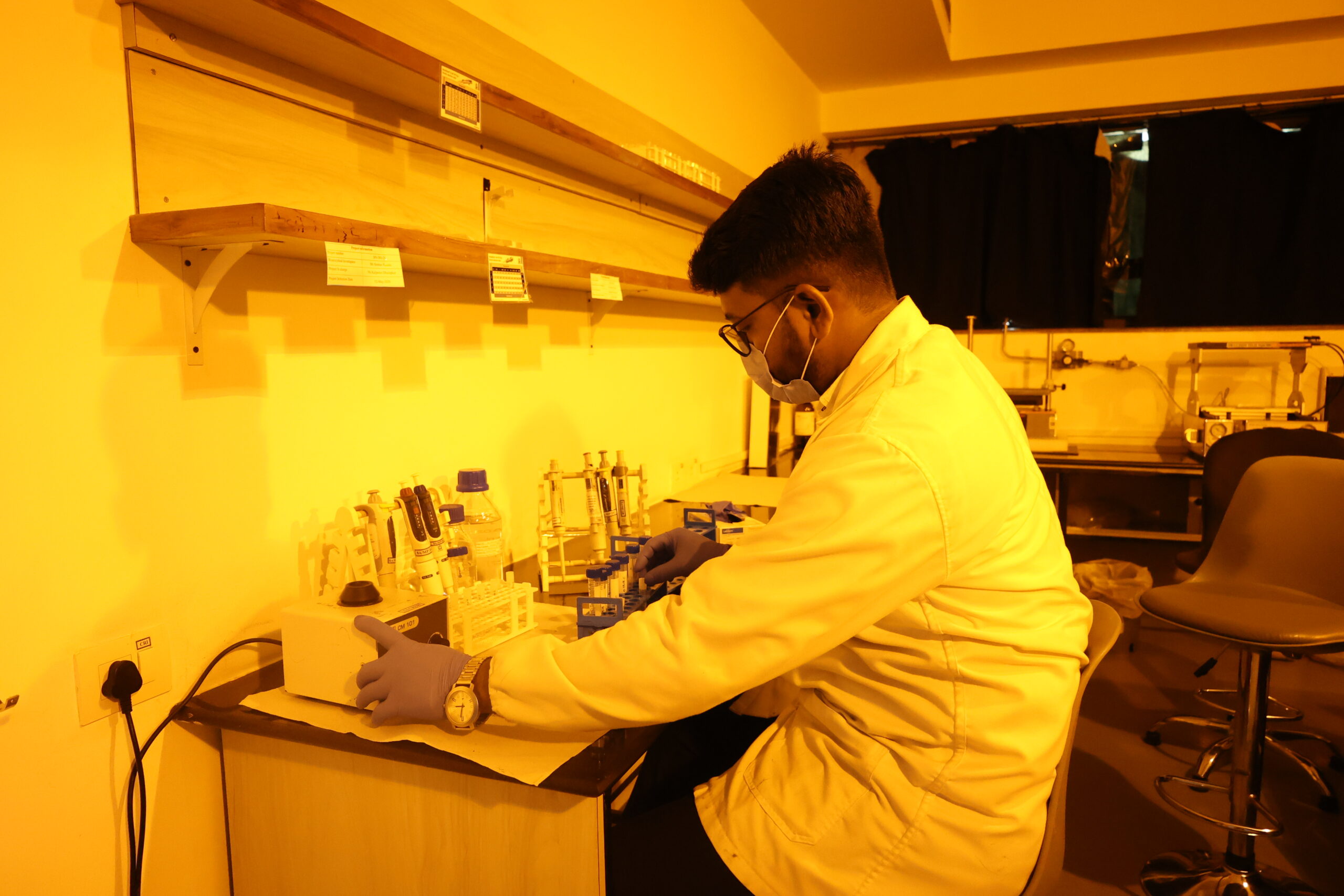
- Laboratory to handle photosensitive drugs/molecule.
- Eurotherm Central temperature monitoring system
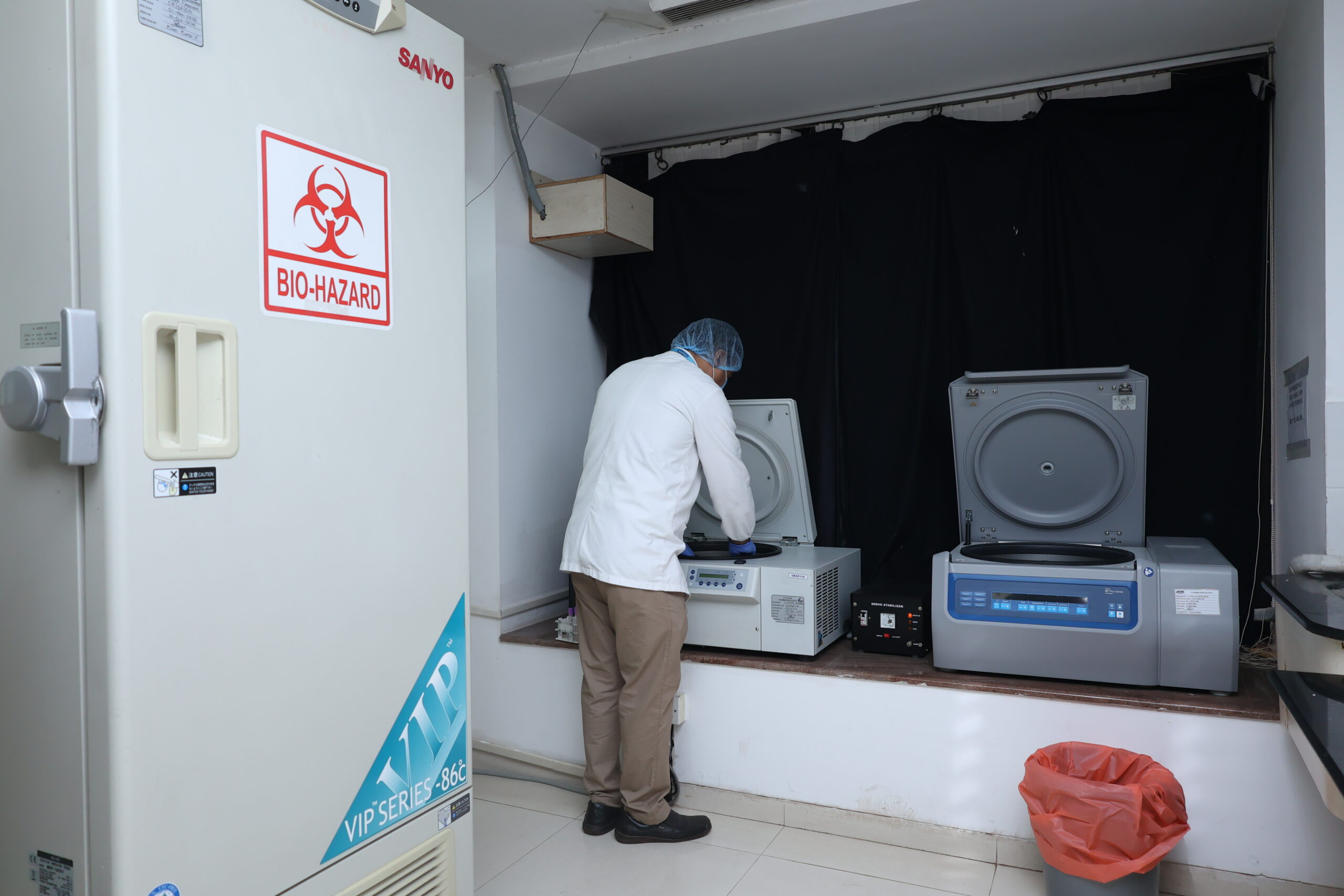
- Separate Room for storage of Working Standards and Balance Room
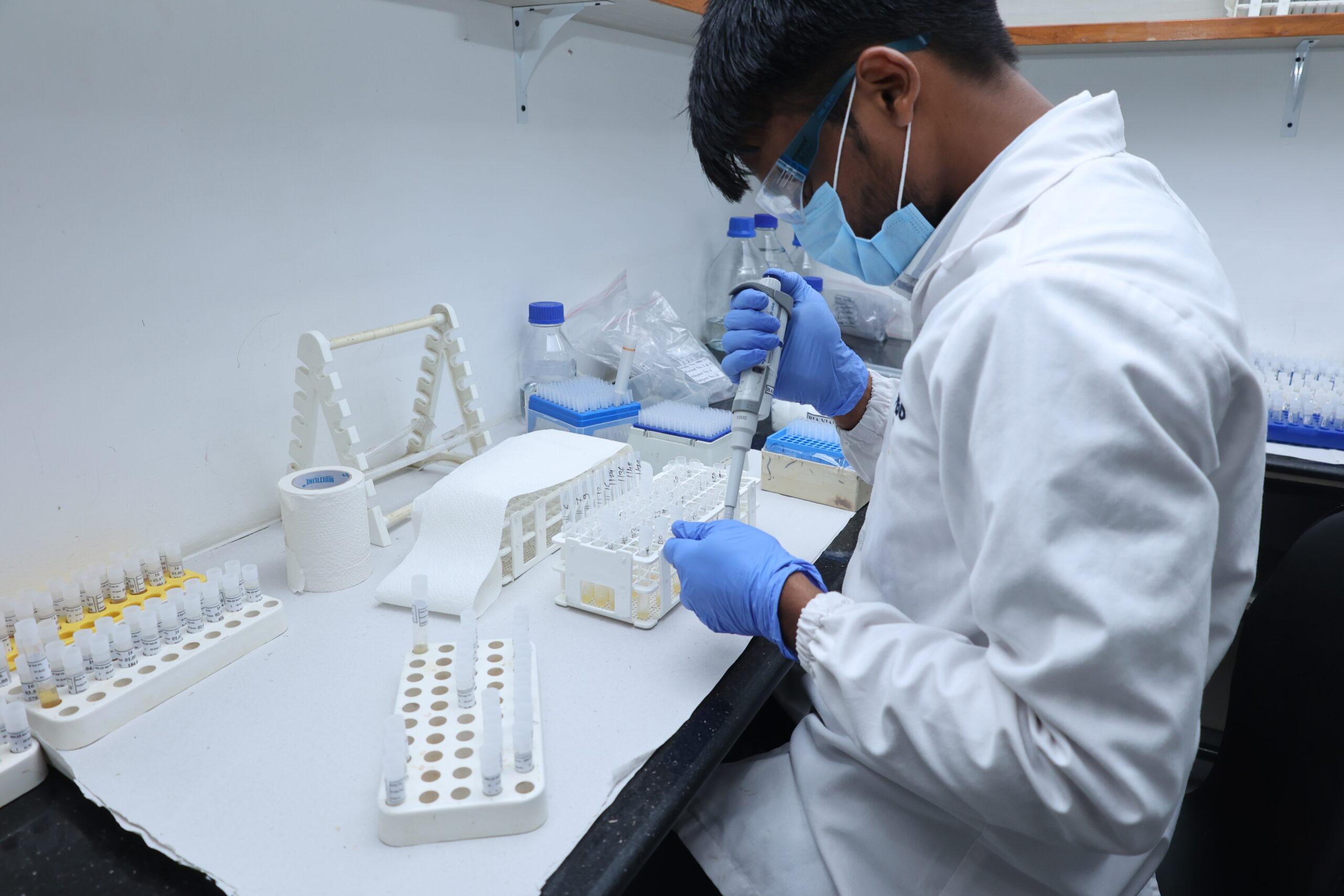
- Well-equipped Sample handling and extraction laboratory Experience in conducting Bio-Analytical Assays:
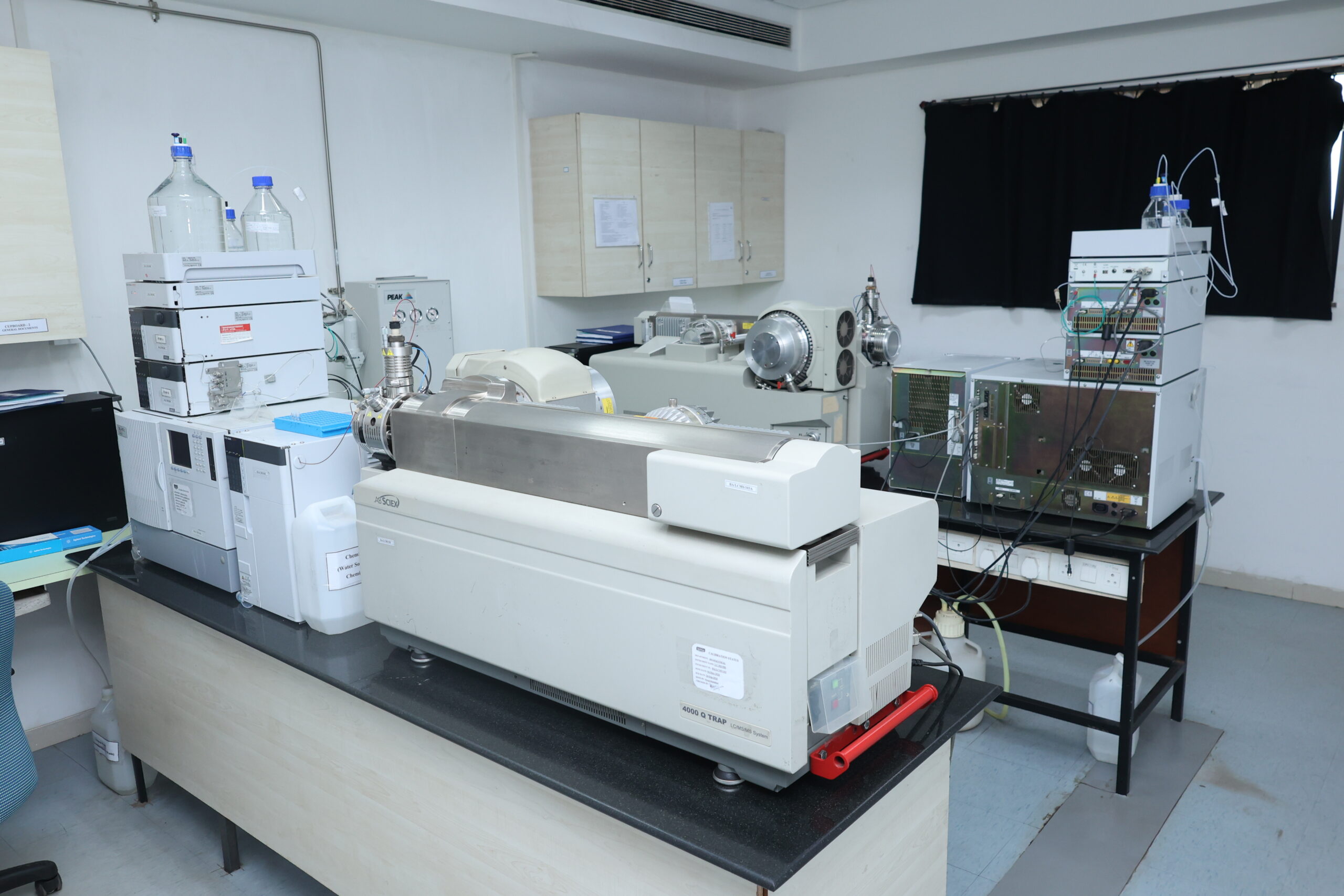
- Complex assays employing with Sensitive LC-MS/MS
- Analyte and its Metabolites in Biological matrix
- Study of Unstable compounds and metabolite back conversion
- Endogenous molecule methods
- Derivatization Methods
- Liposomal molecule methods
- Chiral molecule methods
- Small molecules & Large molecules
Infrastructure:
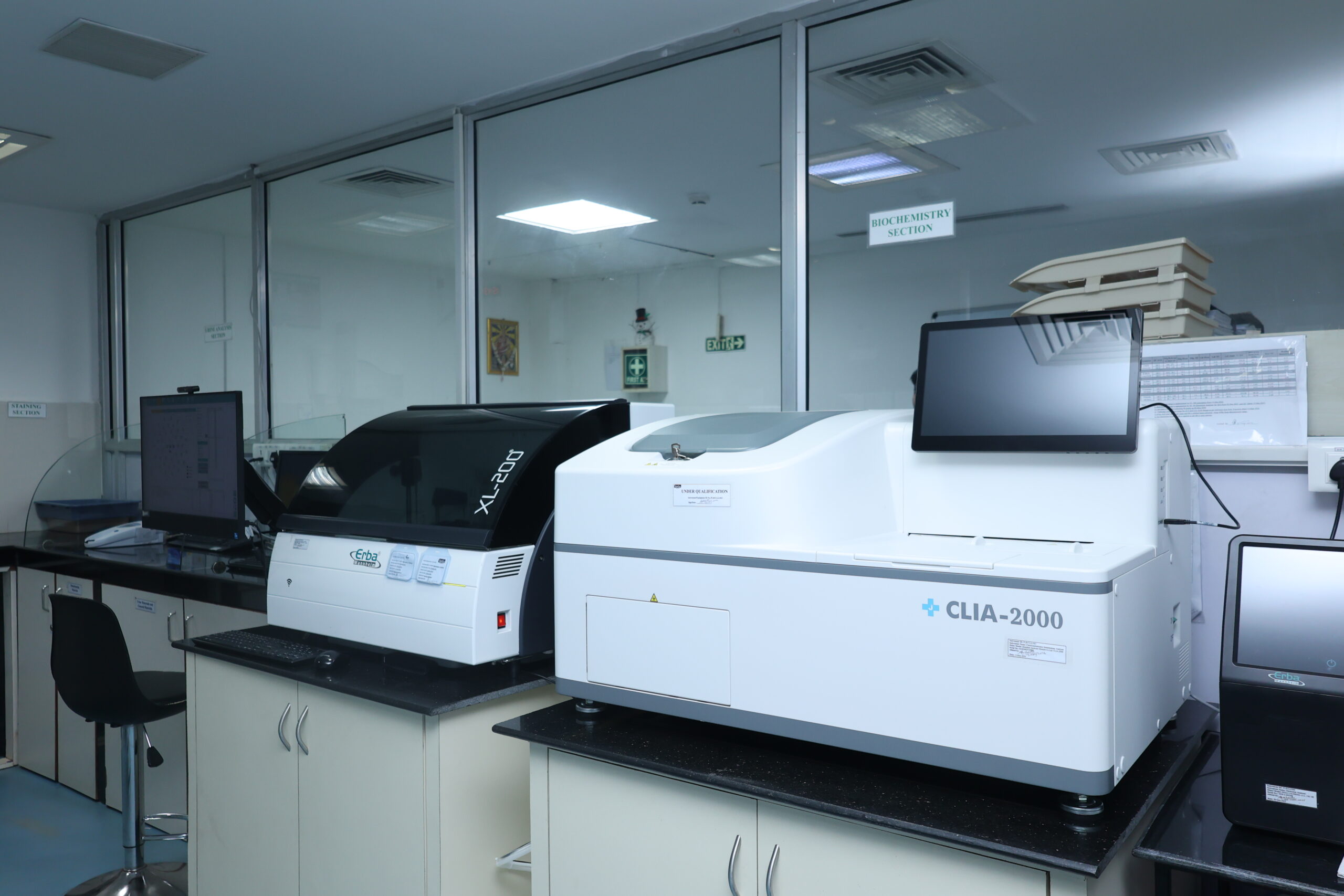
- GLP Compliant Laboratory infrastructure equipped with:
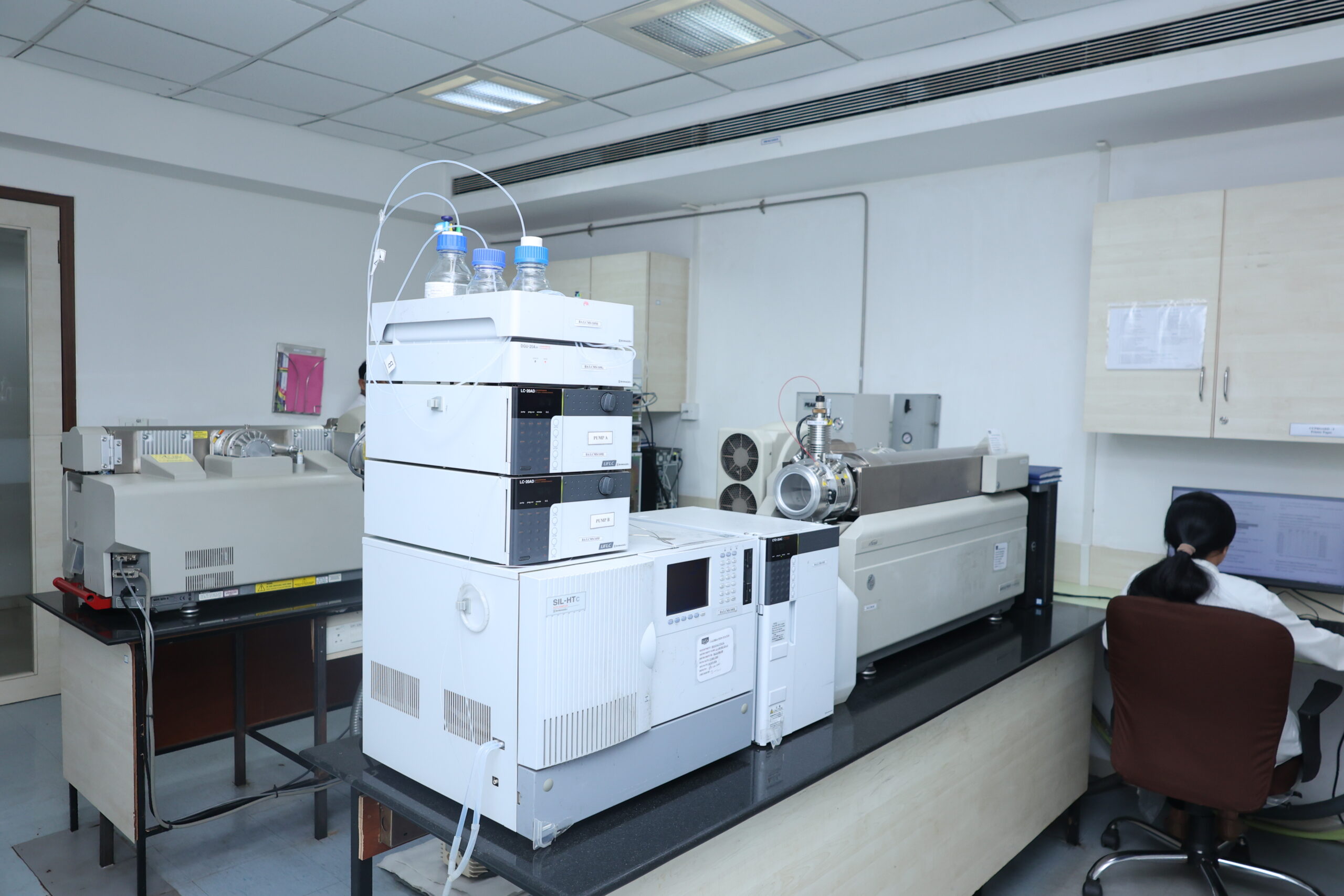
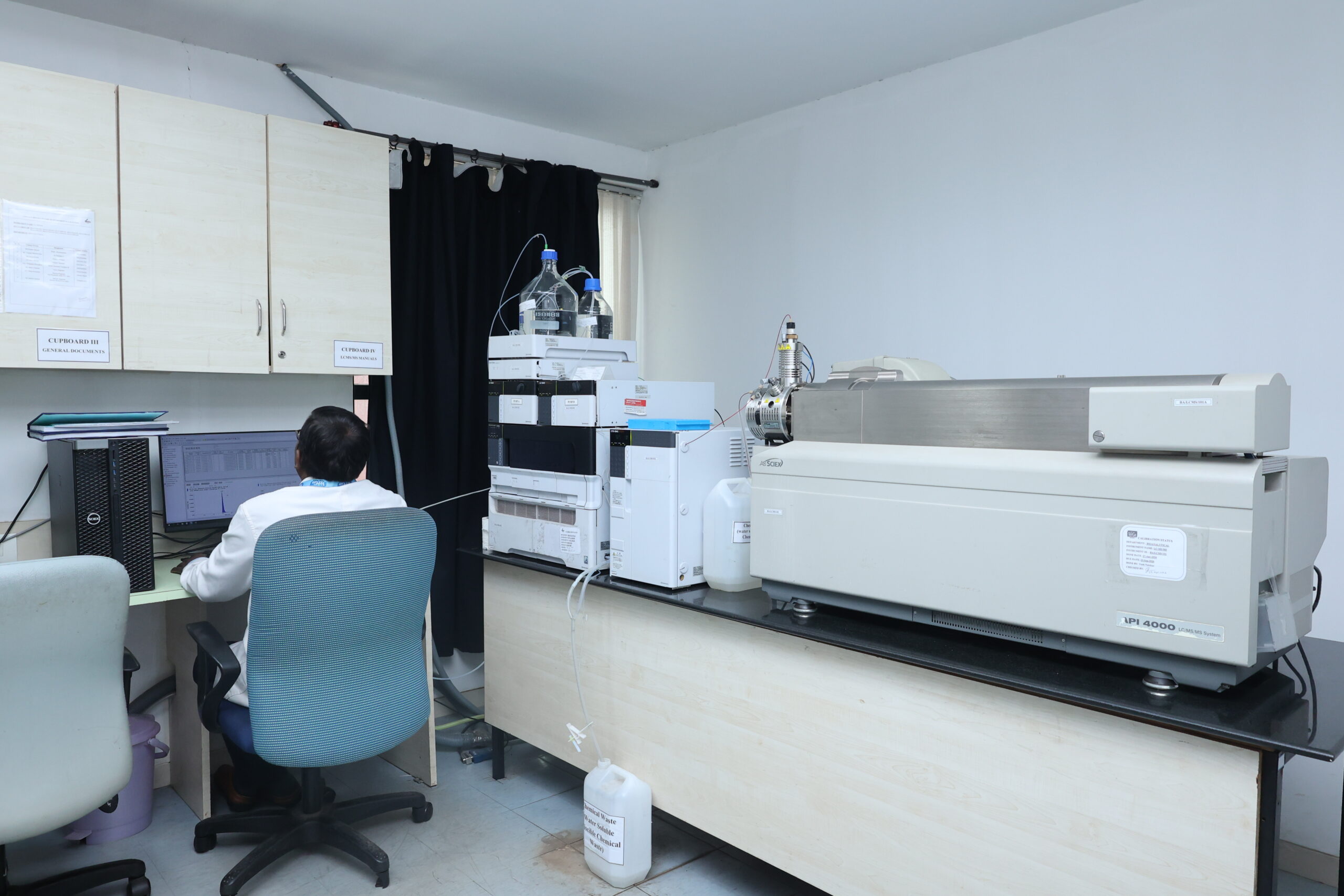
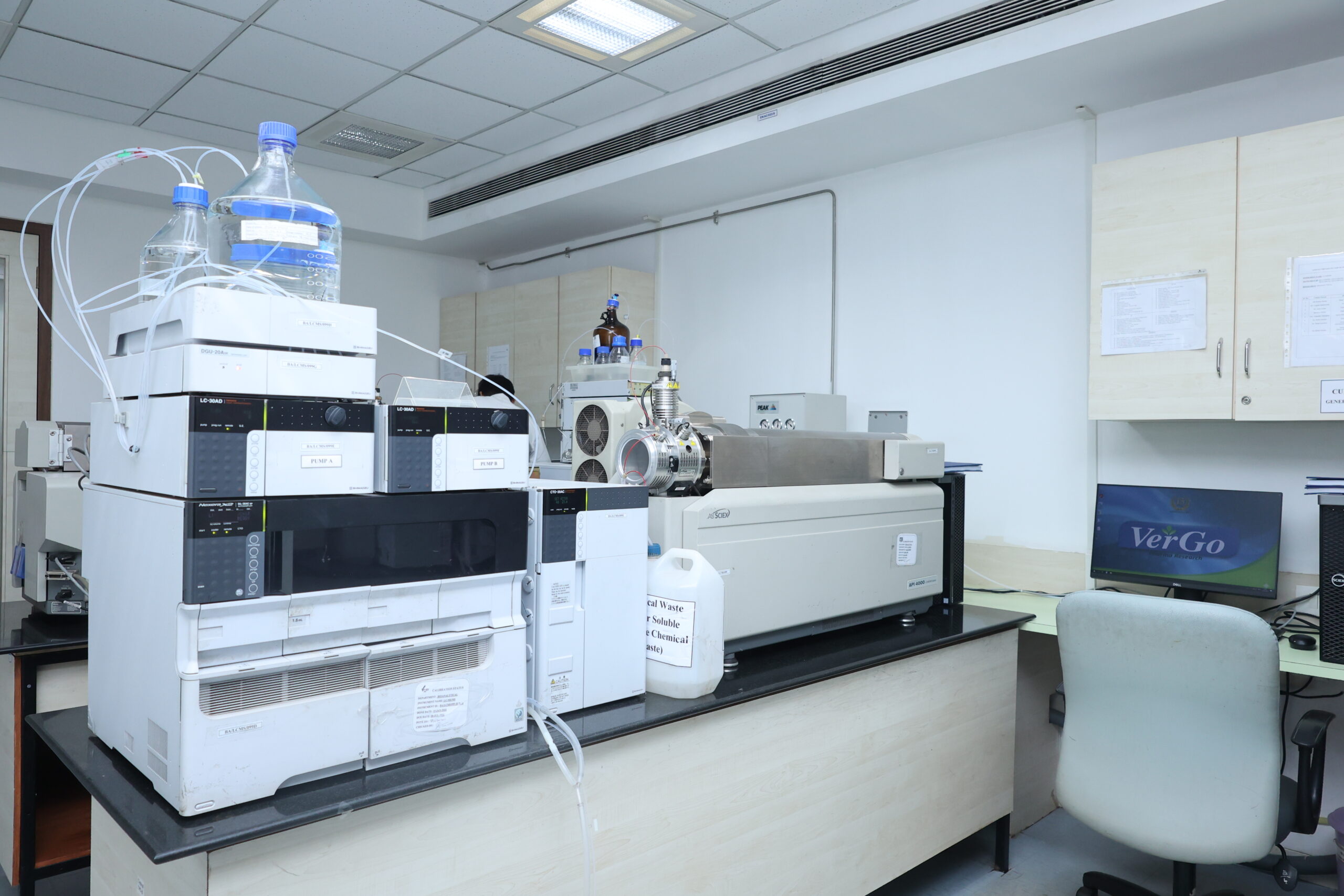
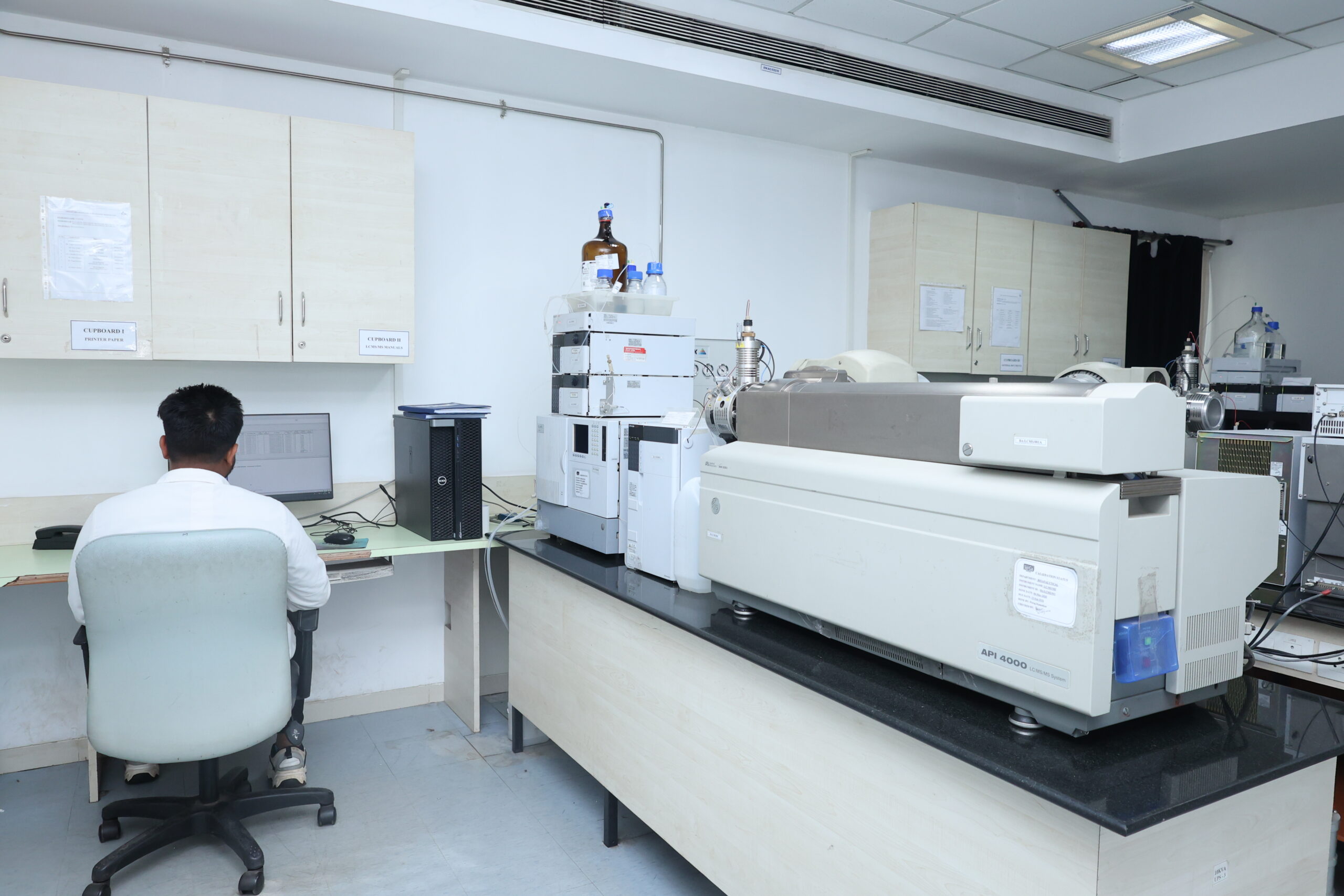
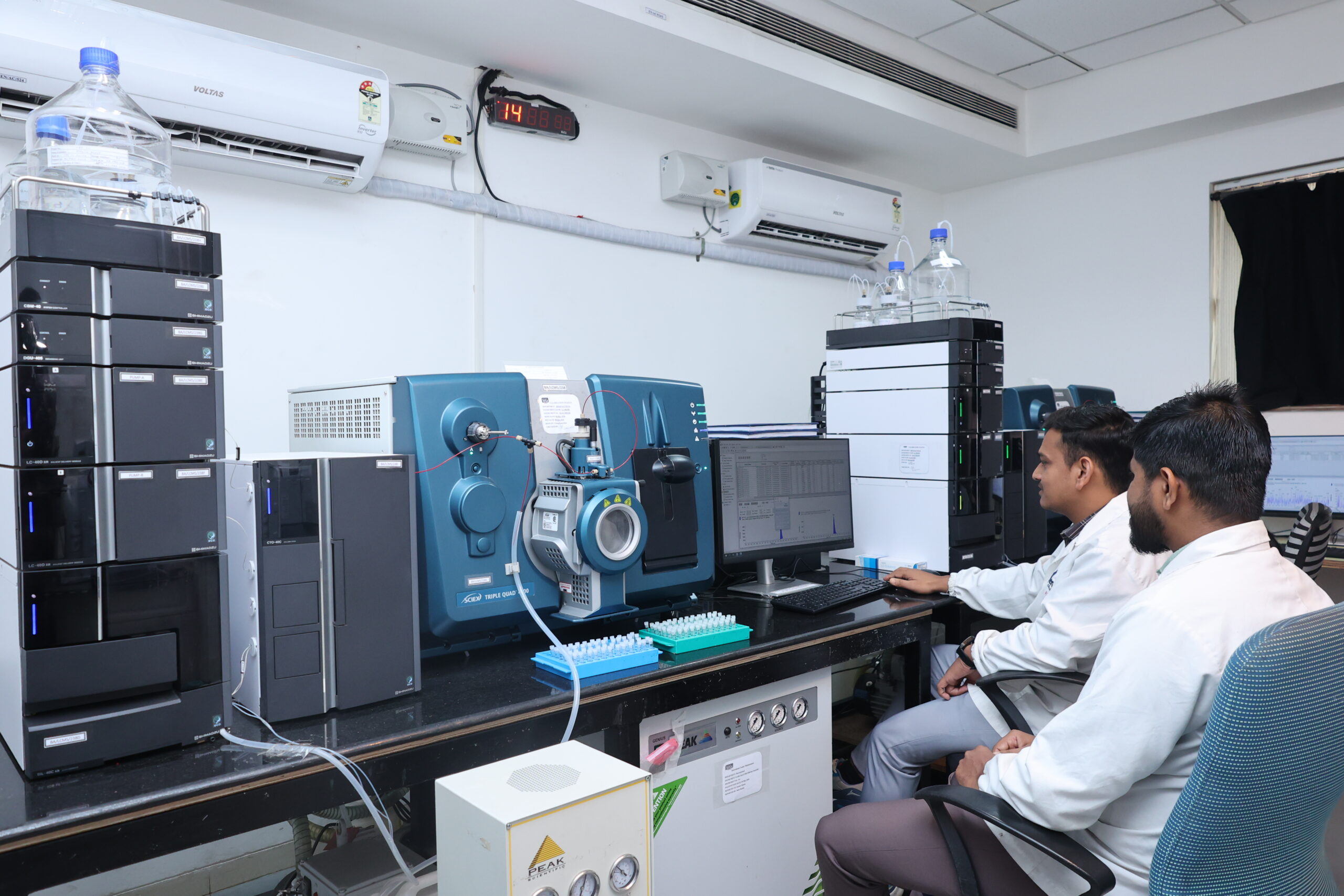
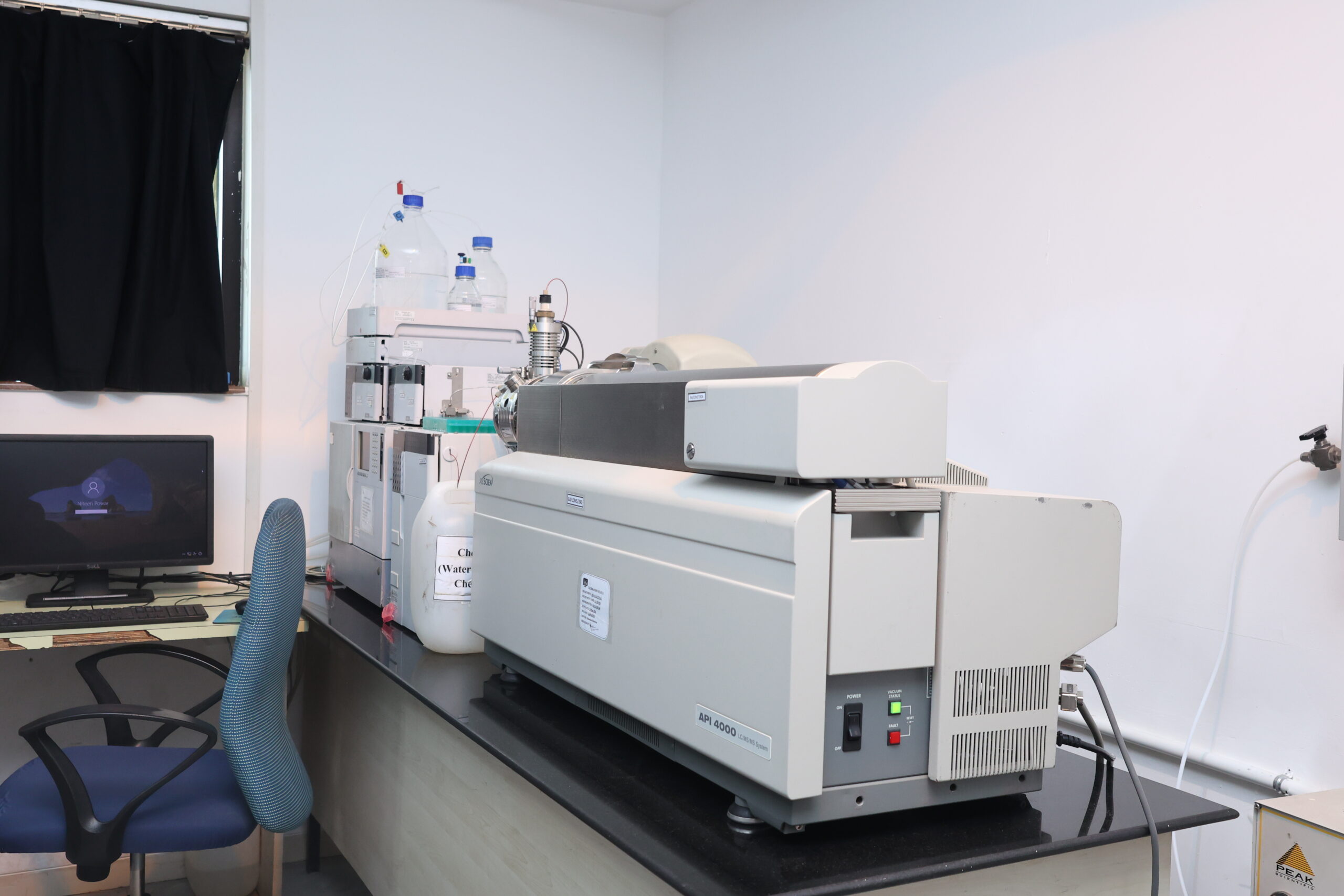
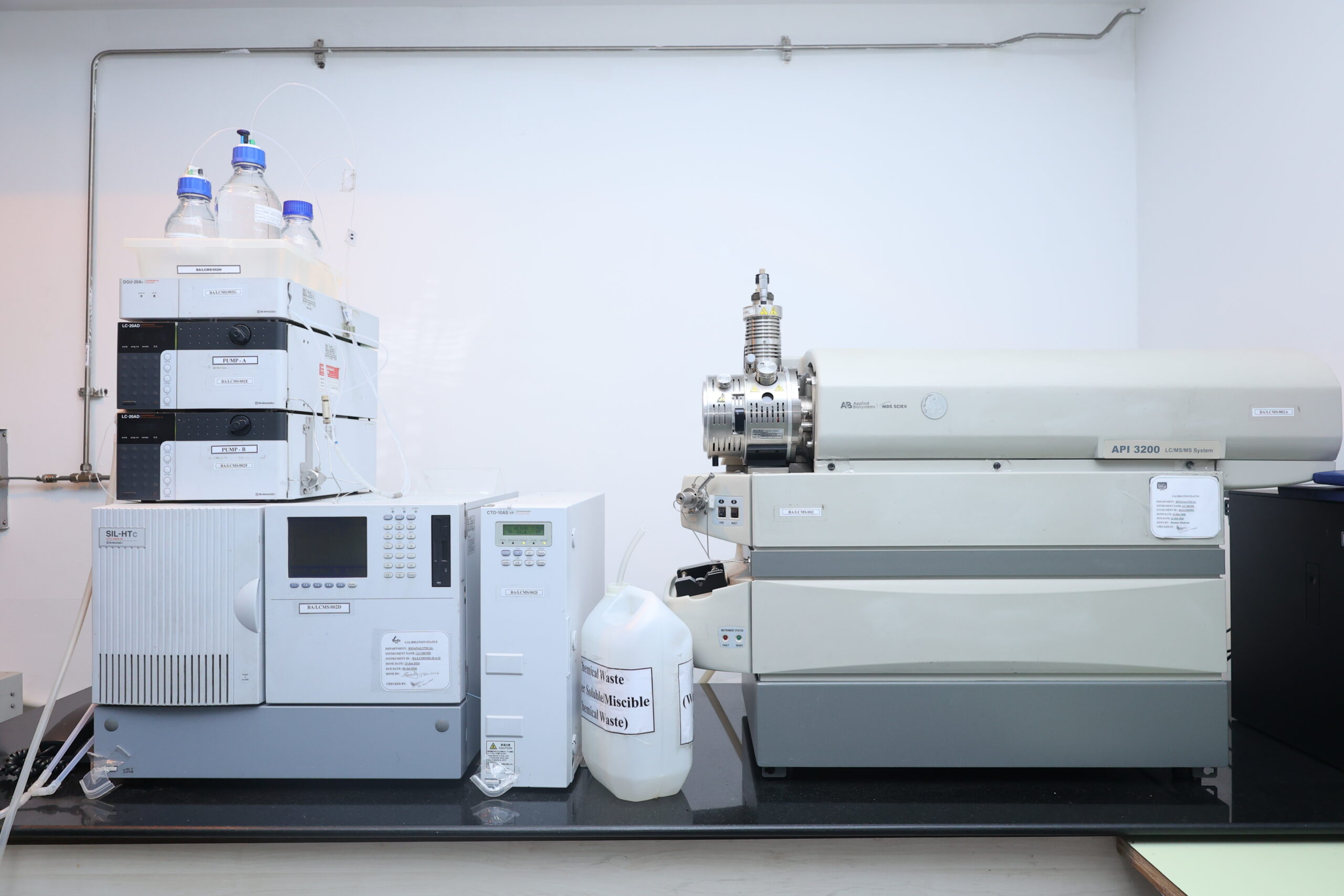
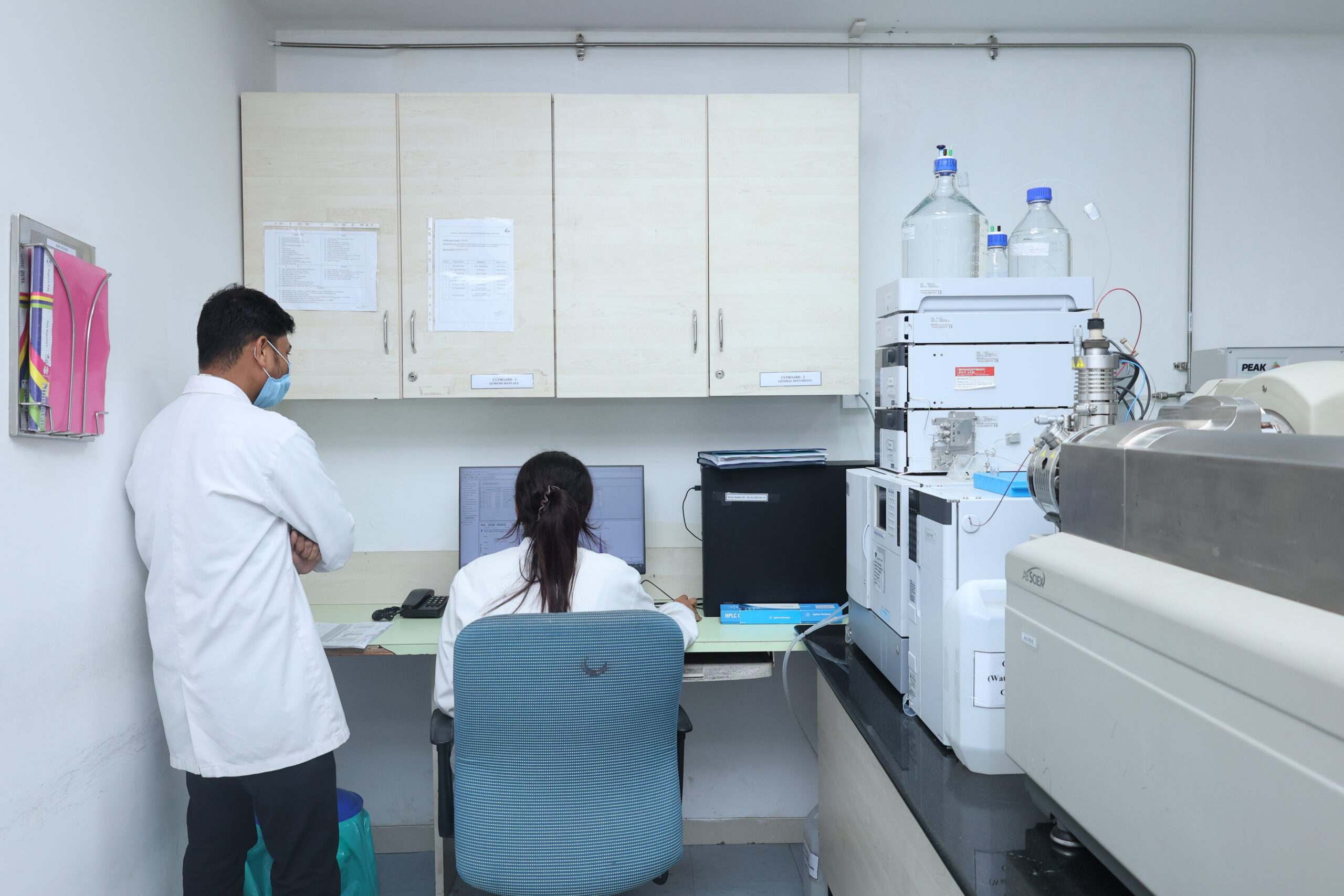
- LC-MS/MS instruments laboratories
- Well-equipped Sample preparation and extraction processing laboratory
- Separate area for Standards/Metabolites Storage and Balance Room
- Capability to handle Photosensitive/Light-Sensitive Molecules
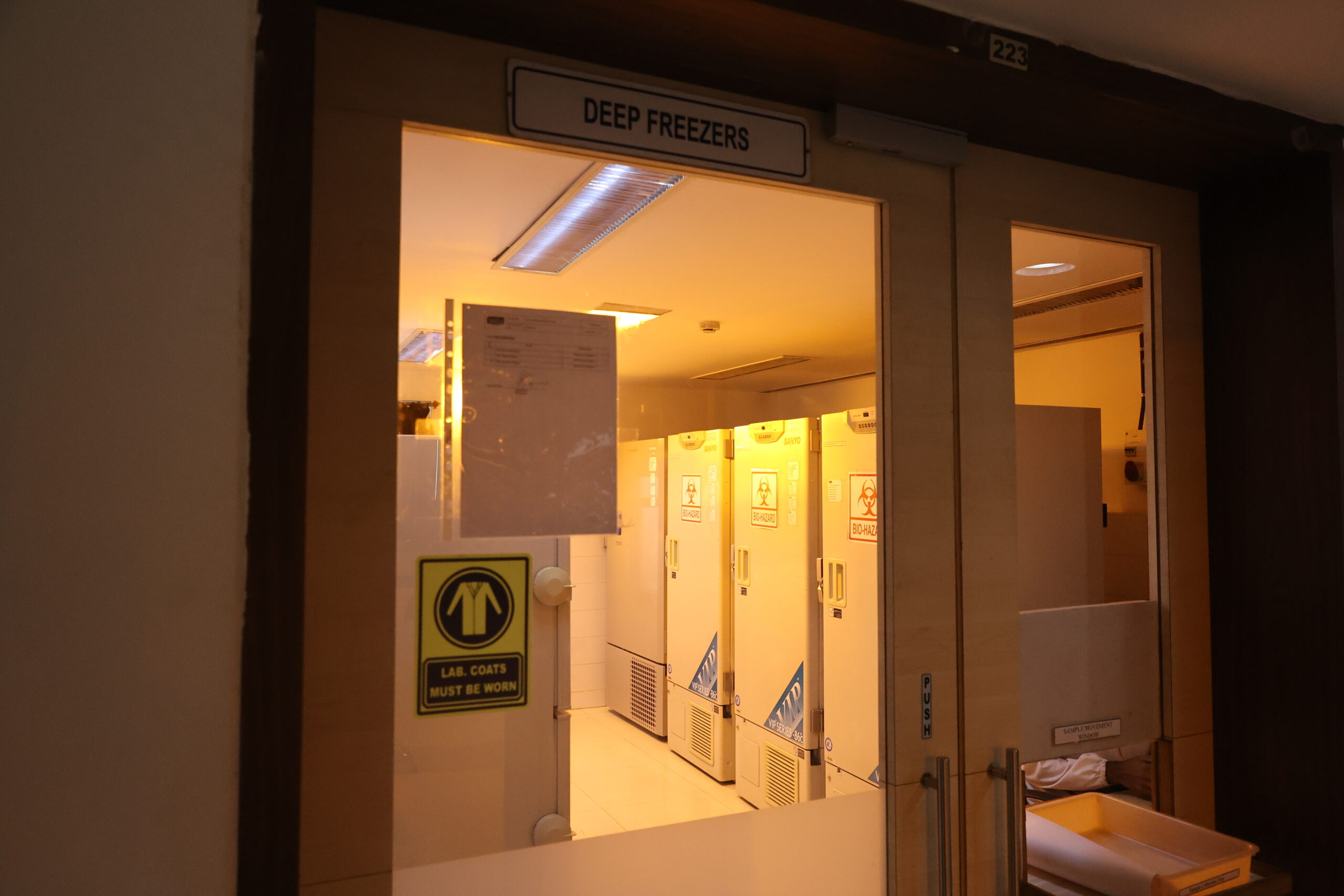
- Deep Freezers
- Cold Room
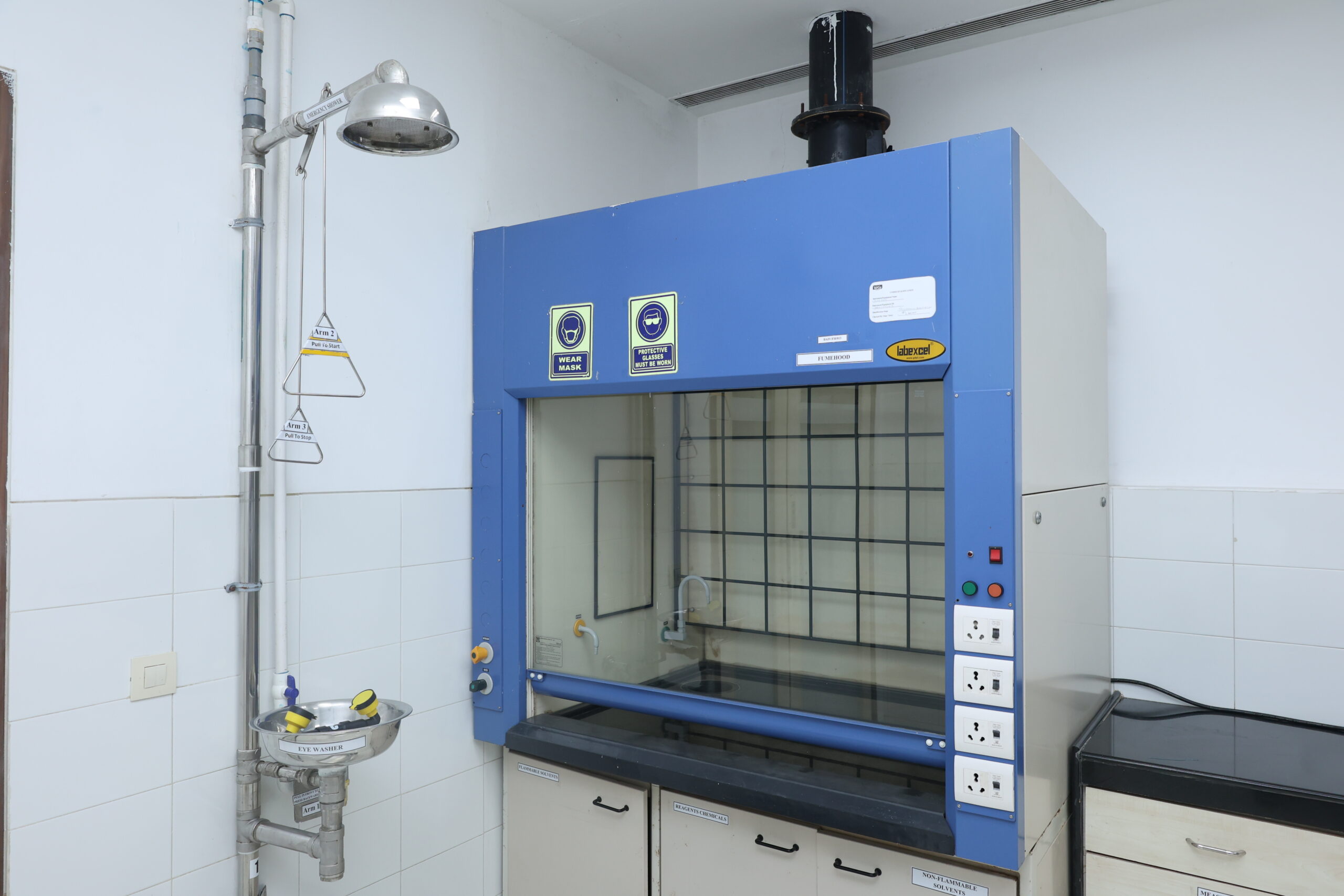
- Chemicals/Solvents Storage
- Bio-Waste Management
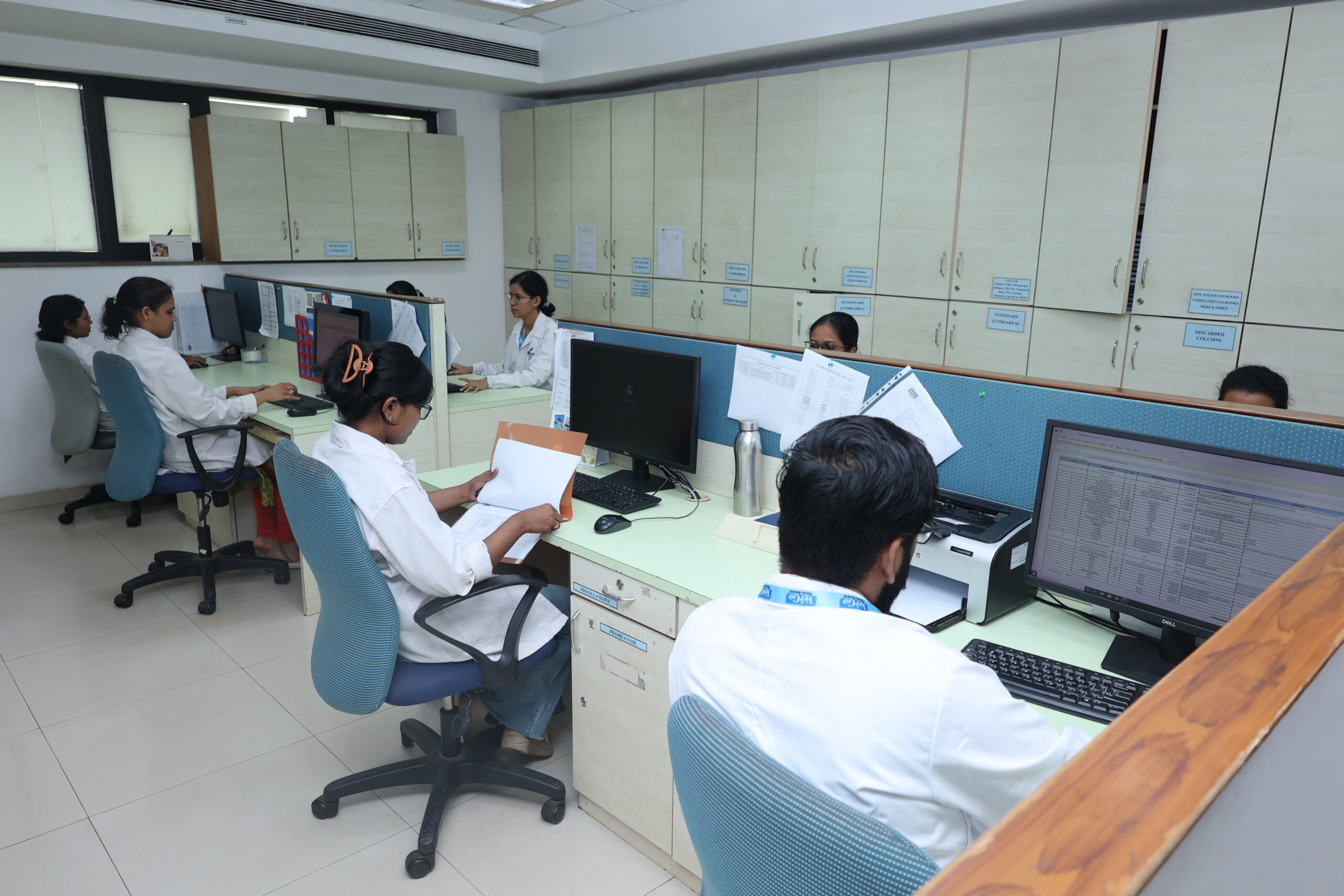
- Documentation
- 10 LCMS/MS: Highly Sensitive Systems (AB Sciex)
- API 4500: 2
- API 4000: 4
- API 4000 Q-trap: 2
- API 3200: 1
- API 6500+: 1
Biological Sample Storage:
- Seven (7) deep freezers maintained at -20°C, -30°C, and -70°C
- Walk-in Cold Room maintained at -20°C
- Cold Room Storage capacity of more than 2.0 million samples at -20°C Temperature
- Two (2) refrigerators dedicated for the storage of working standards and stock solutions
DEDICATED IN-VITRO LABORATORY:
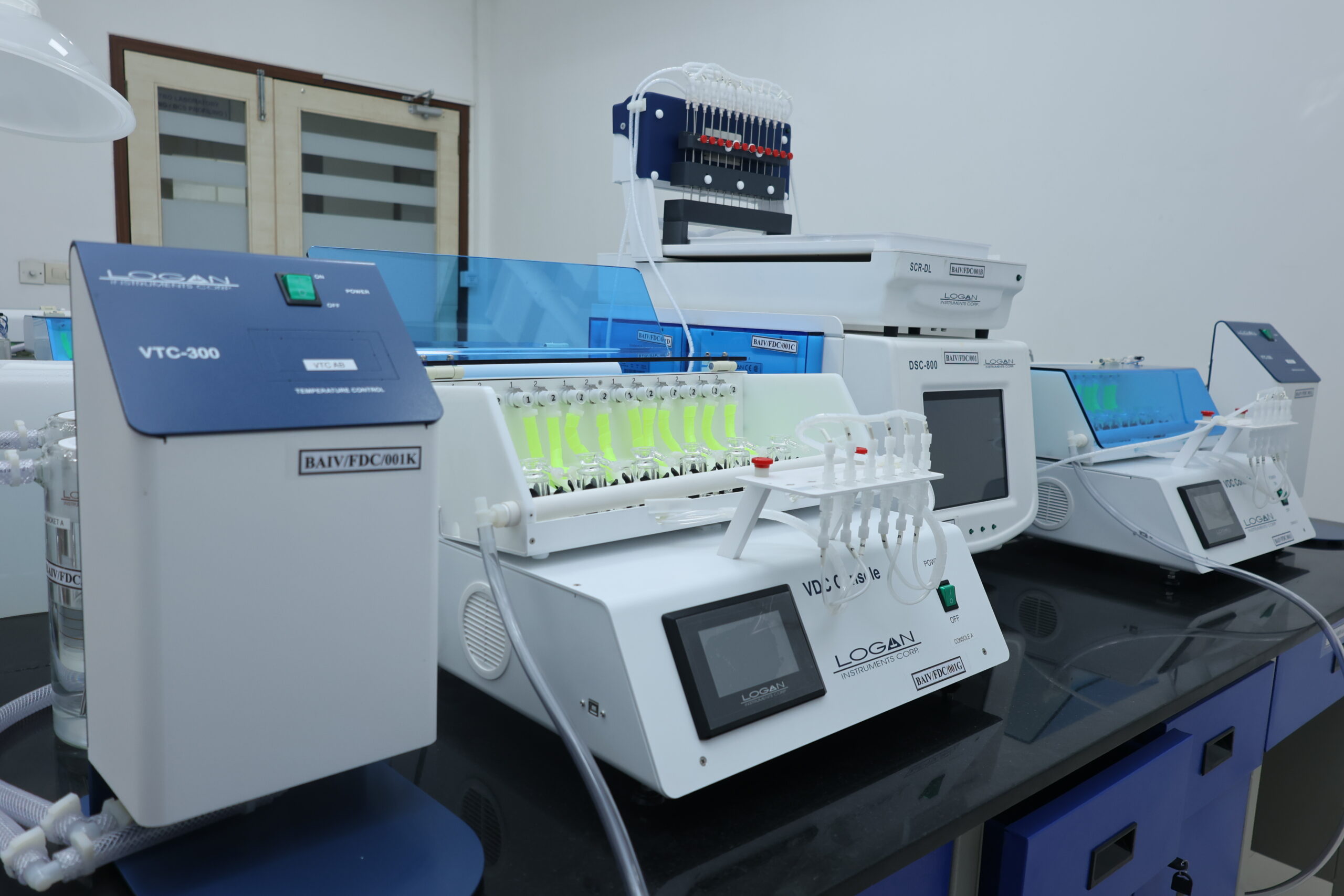
- Franz Diffusion Cells: 48 Cells capacity of Logan Automated Transdermal Diffusion System to conduct the In-Vitro Release and In-Vitro Permeation Testing
- In-Vitro Release Testing (IVRT): A standardized analytical method used to evaluate the rate and extent at which an API is released from topical or transdermal formulations such as creams, ointments, and gels
- In-Vitro Permeation Testing (IVPT): A laboratory technique used to evaluate the rate and extent to which an API penetrates or permeates through biological membranes, typically human skin, utilized in the development and bioequivalence assessment of topical and transdermal formulations like creams, gels and patches
- In-Vitro Enteral Feeding Tube Studies: Oral medications and nutritional formulas, administered through nasogastric (NG) or gastrostomy (G) tubes in laboratory simulations that assess tube occlusion (clogging), drug recovery rates, particle size distribution, and chemical/physical stability to ensure patient safety
- In-Vitro Binding Studies: Binding studies are evaluations with Kinetic and Equilibrium Bile Acid, Salt Binding, human serum albumin / bovine serum albumin, enzyme (pepsin) and Protein Binding
- Biopharmaceutics Classification System (BCS) Biowaiver Studies: Biowaiver approach is intended to reduce the need for in vivo bioequivalence studies, to serve as a surrogate for in vivo bioequivalence for certain drug products
BIOSTATISTICS/DATA MANAGEMENT: