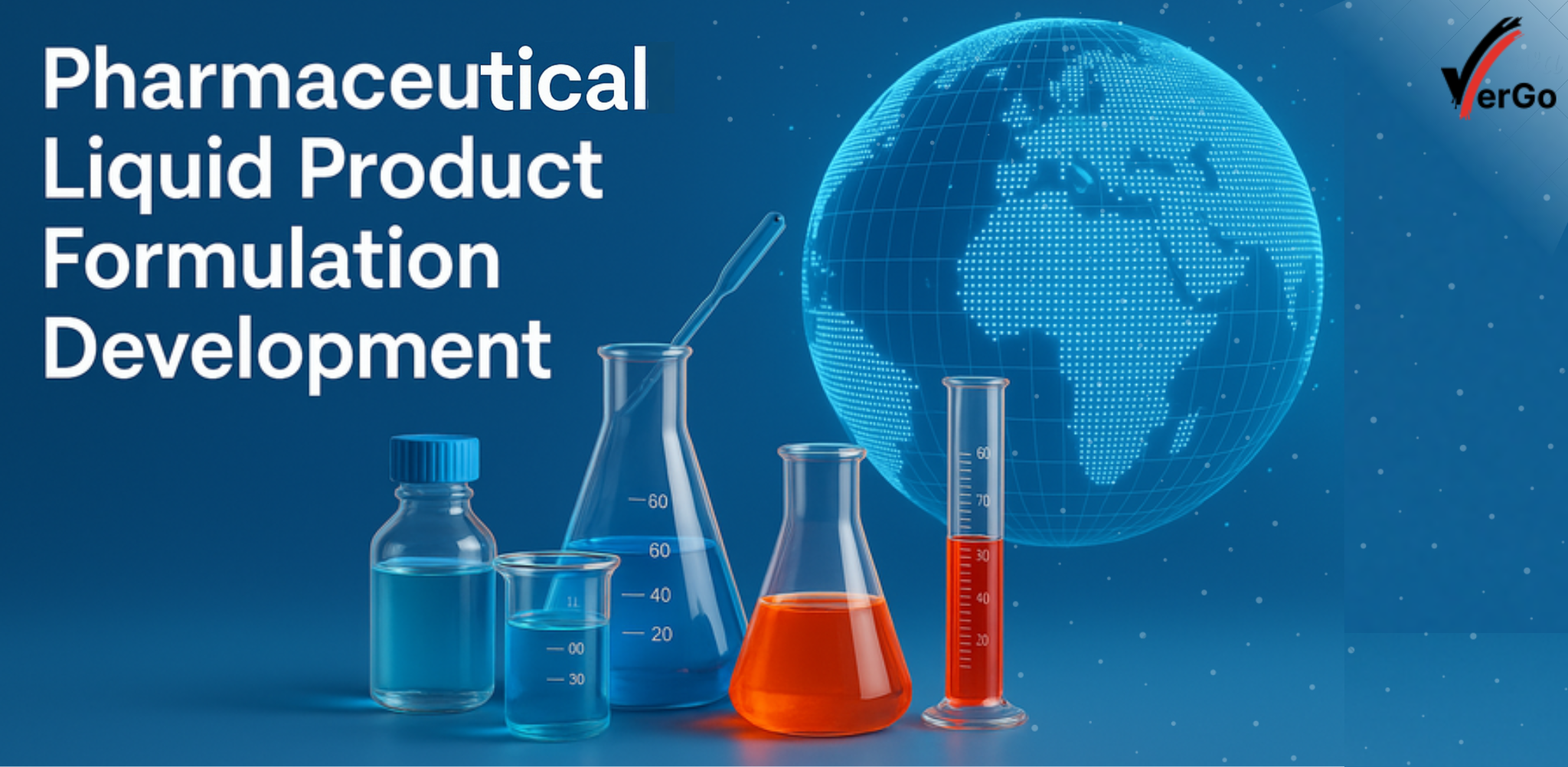
In today’s evolving pharmaceutical landscape, liquid dosage forms play a pivotal role in improving drug delivery, patient compliance, and therapeutic outcomes. As the global demand for patient-friendly and bioavailable medicines increases, the development of pharmaceutical liquid products has become a critical focus area for drug manufacturers and contract development organisations (CDMOs) alike. Based in Goa, India, VerGo Pharma Research, also known as VerGo Labs, stands out as a premier partner for global liquid formulation development, helping clients navigate regulatory compliance, technology transfer, and quality assurance from concept to commercial launch
This blog explores the key considerations, challenges, and trends in liquid product formulation development, particularly with a global market perspective.
Why Liquid Dosage Forms Matter in Global Pharma
Liquid formulations—such as solutions, suspensions, emulsions, and reconstitutable powders—play a crucial role in modern pharmaceutical development due to their multiple advantages over solid oral dosage forms. One of the primary benefits is improved bioavailability, as liquids are absorbed more rapidly in the body. They also allow for custom dosing, making them ideal for patient groups such as children, the elderly, and individuals with dysphagia who may struggle to swallow tablets or capsules. Additionally, liquid formulations support a variety of administration routes including oral, injectable, ophthalmic, and topical applications, offering flexibility in treatment. Another key advantage is their ability to enhance the solubility of poorly water-soluble drugs, thereby improving therapeutic efficacy.
With increasing emphasis on patient-centric drug development, liquid formulations are gaining traction in regulated and emerging markets alike.
Key Stages in Liquid Formulation Development
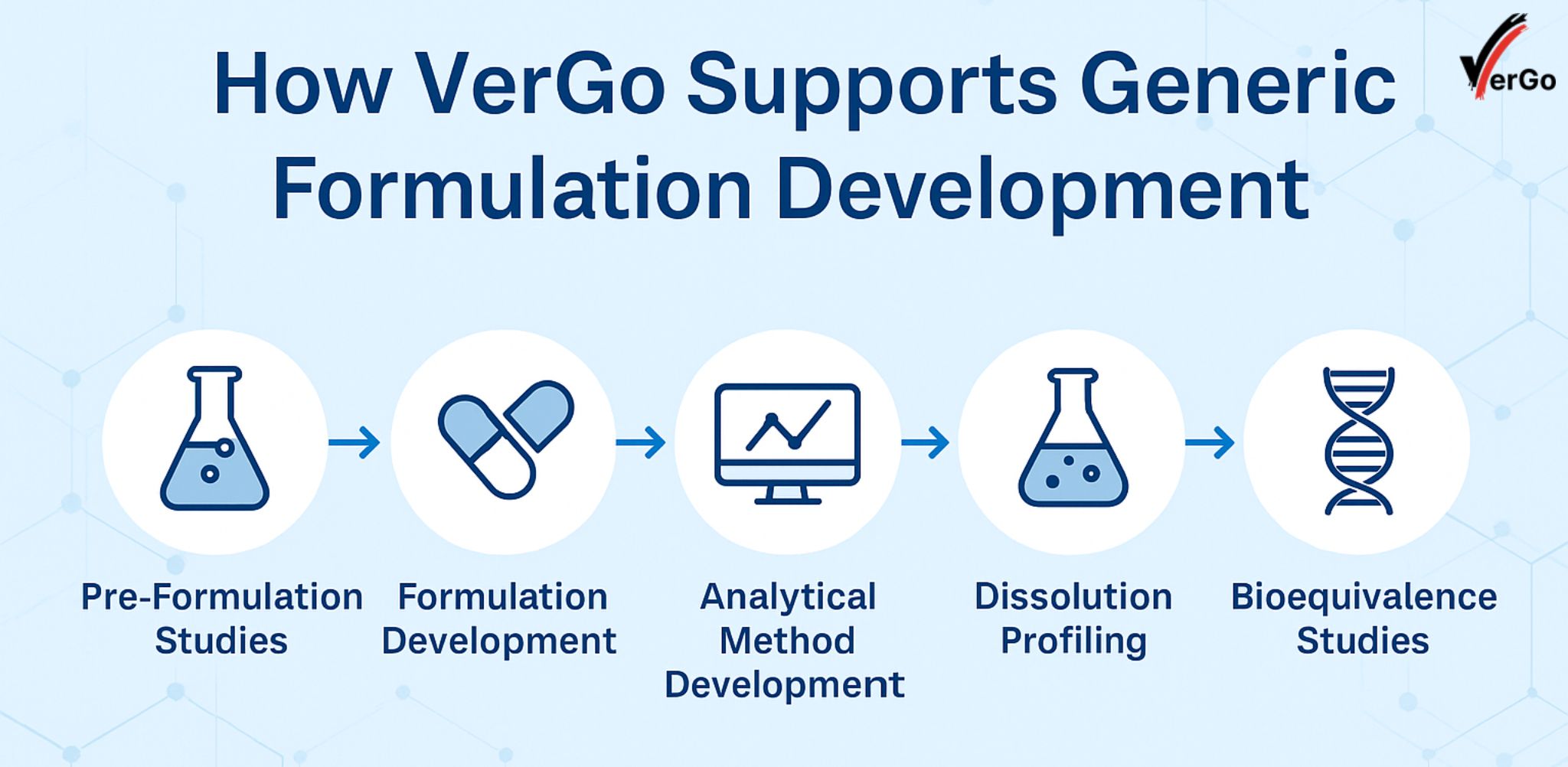
1. Pre-formulation Studies
The development process begins with a thorough understanding of the physicochemical properties of the active pharmaceutical ingredient (API). This includes:
- Solubility profiling in various media
- pKa determination
- Partition coefficient analysis
- Stability under temperature, pH, and light
These studies guide the selection of excipients and formulation strategies.
2. Formulation Design
Formulators develop prototypes using techniques such as:
- Solubilisation using co-solvents or surfactants
- Emulsion or suspension techniques
- Use of buffers, preservatives, and flavouring agents for patient acceptability
A Quality by Design (QbD) approach is often adopted, using Design of Experiments (DoE) to optimise variables such as pH, viscosity, particle size, and osmolarity.
3. Analytical Method Development
Robust analytical methods are critical for monitoring:
- Assay and content uniformity
- Degradation products
- Microbial limits
- Dissolution rates (where applicable)
Techniques like HPLC, UV spectrophotometry, and microbial testing ensure the formulation’s quality and compliance.
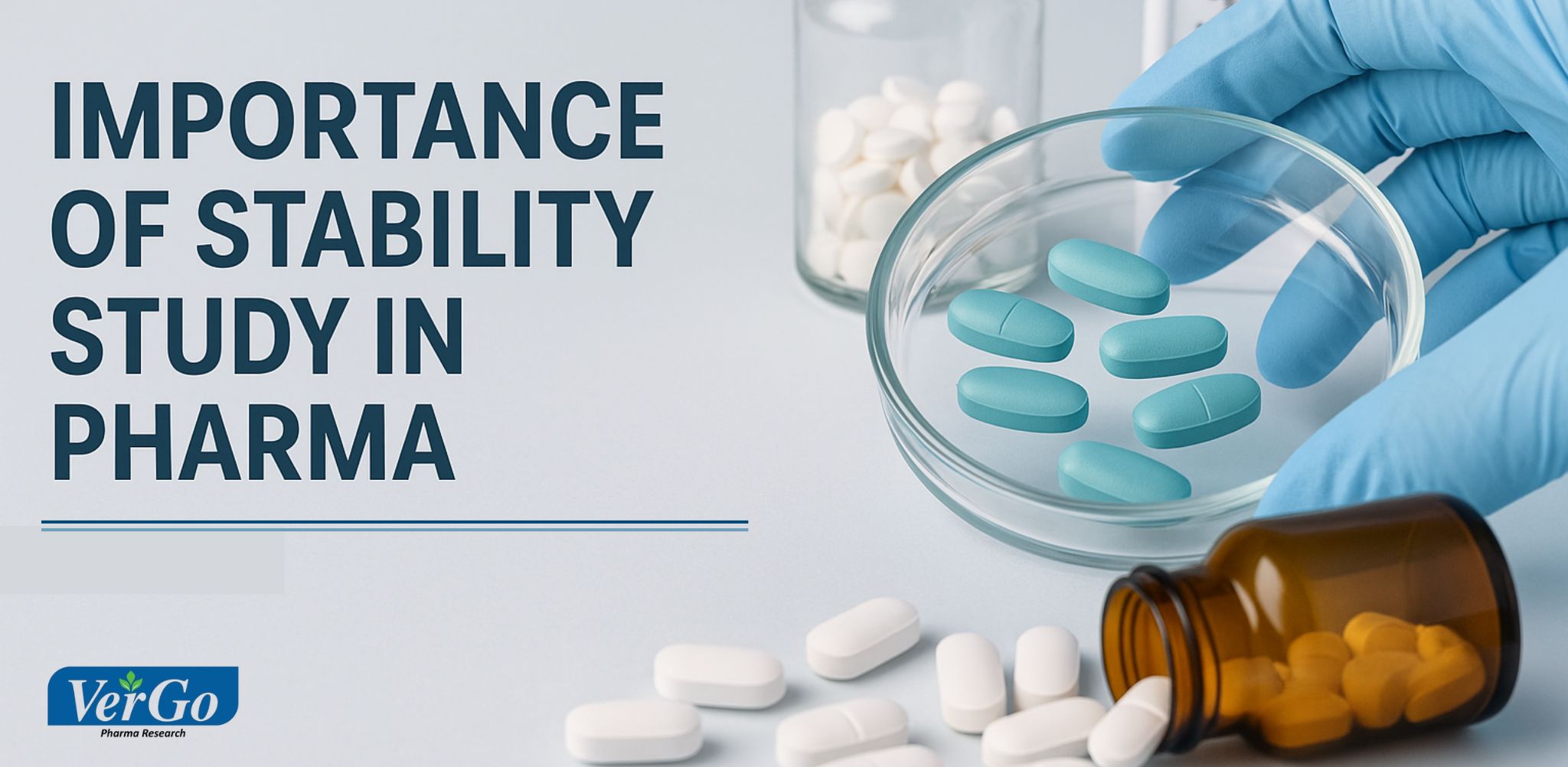
4. Stability Studies
To support global regulatory filings, formulations must undergo ICH-guided stability studies under various climatic zones (Zone II, III, IV). These include:
- Accelerated and long-term stability tests
- Photostability
- Freeze-thaw studies
- In-use stability for multi-dose containers
Stability data ensures shelf-life assignment and helps in packaging decisions.
Types of Liquid Formulations in Demand
| Formulation Type | Use Case |
|---|---|
| Oral solutions & syrups | Paediatric & geriatric therapies |
| Suspensions | Poorly soluble APIs requiring reconstitution |
| Injectables (aqueous/non-aqueous) | Hospital-based or specialty care |
| Ophthalmic preparations | Sterile drops for local drug delivery |
| Topical liquids | Dermatology and cosmetic applications |
Each dosage form has its unique formulation challenges, such as maintaining homogeneity in suspensions, avoiding phase separation in emulsions, and ensuring sterility in injectables.
Challenges in Pharma Liquid Product Development
- API Stability – Liquid media can accelerate degradation, especially hydrolysis or oxidation.
- Microbial Contamination – Water-based formulations are prone to microbial growth, demanding effective preservatives and aseptic processing.
- Taste Masking – Unpleasant taste is a major hurdle, particularly for paediatric formulations.
- Container Compatibility – Drug-container interaction can affect potency, especially in plastic or glass packaging.
Trends Shaping Global Liquid Formulation Development
Nanotechnology Integration
Use of nanoemulsions and nanoparticles to improve solubility, absorption, and targeting.
Natural & Clean-Label Excipients
Regulatory bodies are encouraging safer, allergen-free excipients in paediatric and chronic medications.
Ready-to-Use & Unit-Dose Packaging
Markets are shifting towards convenience, minimising the need for reconstitution or dilution.
Cold Chain Logistics
Many biologics and liquid injectables require temperature-controlled supply chains, especially in vaccines and biotech therapies.
Regulatory Considerations for Global Markets
Developers must prepare regulatory submissions such as:
- Common Technical Documents (CTDs)
- Stability data per ICH Q1 guidelines
- Bioequivalence studies for generics
- Preservative efficacy testing (PET) for multi-dose products
Markets like the USA (US FDA), Europe (EMA), Canada (Health Canada), and Japan (PMDA) require region-specific documentation and compliance.
The development of pharmaceutical liquid products is both a scientific and regulatory-intensive process. With the increasing global demand for personalized, patient-friendly therapies, liquid product development is poised to play an even more significant role in the pharmaceutical value chain.
Companies aiming to enter or expand in regulated markets must invest in robust formulation strategies, analytical development, and compliance systems to ensure the safety, efficacy, and global acceptability of their products.
If you’re in search of a trusted partner in pharmaceutical liquid product formulation development for global markets, contact VerGo Labs in Goa, India and unlock your product’s global potential.